
Understanding Symptoms and Treatment Options for Depression

Depression is more than just feeling sad or having a bad day. It’s a complex emotional and physical experience that can quietly take hold of your life. If you’ve ever felt like you’re carrying a heavy cloud that won’t lift, you’re not alone. Many people face this challenge, and understanding the symptoms and treatment options for depression is the first step toward reclaiming your joy and balance.
Recognizing the Symptoms of Depression
Depression can manifest in many ways, and it often looks different from person to person. Sometimes, it’s obvious; other times, it hides behind a mask of normalcy. Have you noticed a persistent sadness that doesn’t seem to fade? Or maybe a loss of interest in activities you once loved? These are common signs.
Here are some key symptoms to watch for:
Persistent feelings of sadness or emptiness
Loss of interest or pleasure in hobbies and social activities
Changes in appetite or weight
Sleep disturbances – either insomnia or oversleeping
Fatigue or loss of energy
Feelings of worthlessness or excessive guilt
Difficulty concentrating or making decisions
Physical symptoms like headaches or stomachaches without a clear cause
Thoughts of death or suicide
It’s important to remember that experiencing some of these symptoms occasionally is normal. But when they last for weeks or months and interfere with daily life, it’s time to seek help.

Exploring Treatment Options for Depression
When it comes to healing, there is no one-size-fits-all solution. Treatment options for depression are as varied as the people who experience it. The good news is that help is available, and recovery is possible.
Here are some of the most effective approaches:
1. Psychotherapy
Talking with a trained therapist can provide a safe space to explore your feelings and develop coping strategies. Cognitive-behavioral therapy (CBT) is especially effective in helping change negative thought patterns.
2. Medication
Antidepressants can help balance brain chemicals that affect mood. It’s important to work closely with a healthcare provider to find the right medication and dosage.
3. Lifestyle Changes
Simple adjustments can make a big difference. Regular exercise, a balanced diet, and sufficient sleep support mental health. Mindfulness and relaxation techniques can also reduce stress.
4. Support Networks
Connecting with friends, family, or support groups can provide comfort and reduce feelings of isolation.
5. Online Therapy
For those in Virginia seeking accessible and compassionate care, online therapy offers flexibility and privacy. It’s a convenient way to receive professional support without leaving home.
Each treatment path can be tailored to your unique needs. Sometimes, combining therapies yields the best results.
How to Recover from Depression?
Recovery is a journey, not a destination. It requires patience, self-compassion, and often, a willingness to try different approaches. Here are some steps to guide you:
Acknowledge your feelings without judgment. It’s okay to not be okay.
Set small, achievable goals. Celebrate each victory, no matter how minor it seems.
Reach out for help. You don’t have to face this alone.
Practice self-care daily. Nourish your body and mind with kindness.
Stay consistent with treatment. Healing takes time, and persistence pays off.
Be open to adjusting your plan. What works today might change tomorrow.
Remember, setbacks are part of the process. They don’t erase progress. Keep moving forward, one step at a time.

Why Early Intervention Matters
Ignoring depression can deepen its hold, making recovery more difficult. Early intervention can prevent symptoms from worsening and reduce the risk of complications. If you or someone you care about is struggling, don’t wait to seek support.
Recognizing the signs early and accessing treatment can restore hope and improve quality of life. It’s a powerful act of self-love and courage.
Embracing Hope and Healing
Depression can feel like a shadow that dims your world. But within that darkness, there is always a flicker of light waiting to grow. By understanding your symptoms and exploring treatment options for depression, you open the door to healing.
If you want to learn more about depression symptoms and treatment, remember that help is within reach. You deserve to feel whole again. Take that first step today - your future self will thank you.


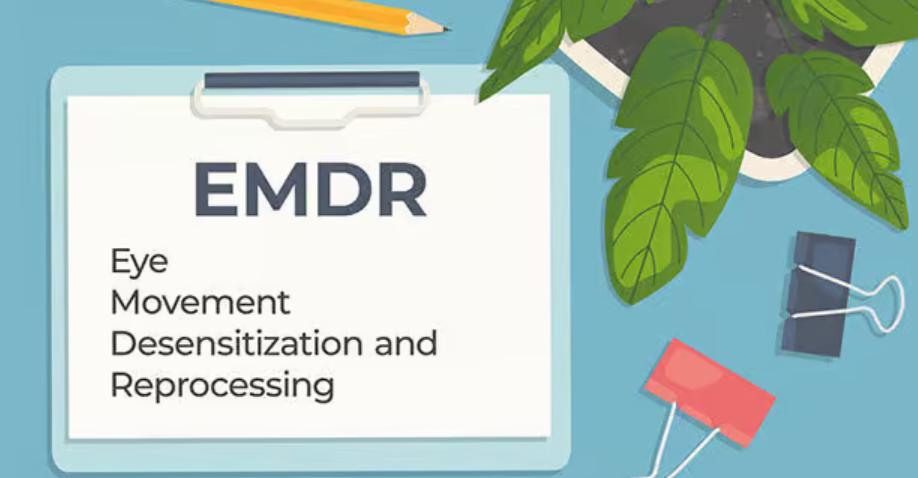
The section explaining that the recovery process takes time feels very realistic. Many people expect instant results, even though every healing process has its own pace. Information like this helps improve understanding of the mental health recovery process.